
Client materialsSECRET SAUCE
The people

The people you will actually work with.

02
Why we started itGood founders build things worth buying. Then the selling stalls.

We kept meeting the same company. A founder with a product customers love. A small team. A pipeline that moves only when the founder is in the room.

The team works hard. Hard work is not the trouble. The team cannot say what makes the business worth buying. The founder can, but the founder cannot be in every room.

The big training houses build for big sales forces. We build for the very start: the first sales hires, the first real deals, the months when every win matters. We take what the founder knows by instinct and make it a method. Then the team uses it on real deals.

01
Full profilesMore than sixty years of selling and leading. Still doing both.
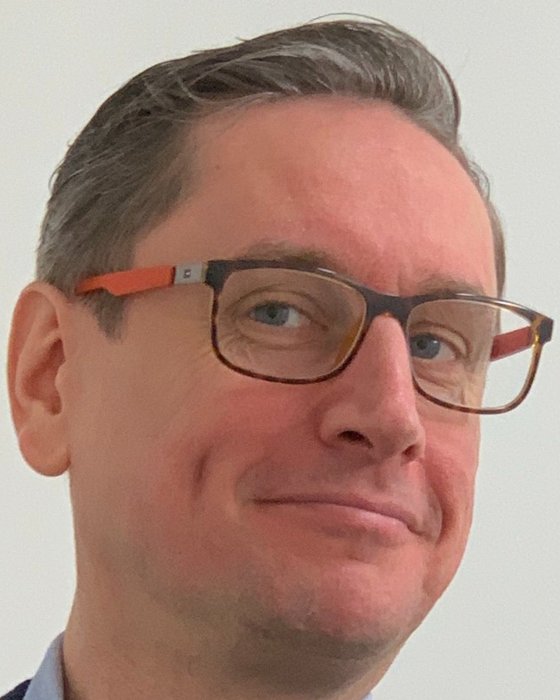
David O'Neill
Co-founder · The method

David O'Neill

Talk to me →

David made his first sale, on his first cold call, on 7 October 1994. Six months later he was managing the team. He joined The Economist in 1996 and was soon in New York as a director, running sales across the Americas.

He went on to lead sales at The Spectator, NewsReach and Informa—in EMEA, the Americas and across the whole map. Different continents, same species of buyer: busy, sceptical and short of time.

Then came AI SaaS start-up Echobox. As VP Sales, he built a team of superstars from scratch and ran sales globally. It gave him a taste for start-up selling. The taste has not worn off. Nothing in sales is more fun.

For five years he has been a Consulting Partner at RAIN Group, working with sales teams at some of the best-known names in technology. Quite possibly including the one your platform is built on.

Selling since
1994
Has led
High-performance sales teams across EMEA, APAC and the Americas
Has built
A global team of AI SaaS sales superstars from scratch
Works with
Founders and sales teams turning early traction into repeatable growth
Trained as
A barrister, after reading law at Oxford. Handy when a buyer starts cross-examining the proposal.
Rob Kerr
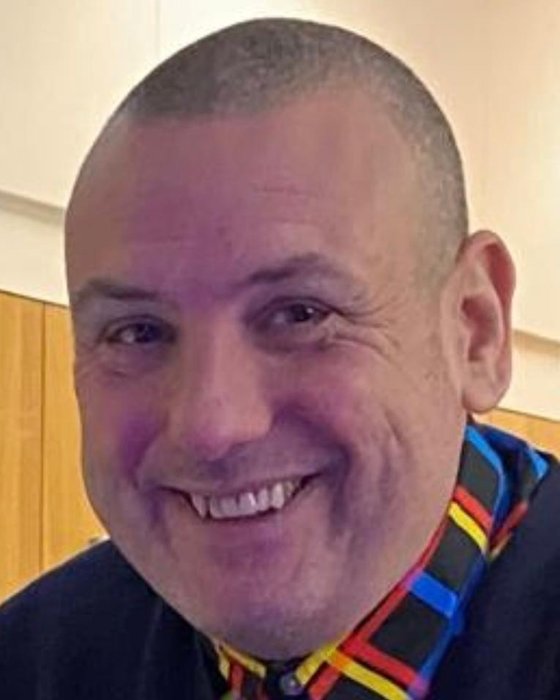
Co-founder · The field

Rob Kerr

Talk to me →

Rob has sold since 1997, and he still sells for his supper. He is part of the senior sales management team for the UK and Ireland cluster of a global life-sciences manufacturer and distributor.

Before that he ran the European Safety Solutions portfolio. Before that he sold safety and cleanroom products, where a mistake is measured in contaminated batches and failed audits.

His customers are scientists, quality managers and production chiefs in regulated industries. They read the small print. They test every claim. They can smell a bluff at forty paces.

Rob is also part of his company's global sales coaching team. He coaches sellers as well as selling himself, so he knows good coaching from both sides of the table. He is a qualified health and safety professional and a member of the Chartered Management Institute.

Selling since
1997
Has led
Senior sales management for the UK and Ireland, and a European product portfolio
Coaches
Member of a global sales coaching team
Sells into
Biopharma, life sciences, cleanroom and safety
Qualified
NEBOSH, TechIOSH, AIIRSM, MCMI
One of us has built sales teams across the world. The other still carries a live target. You get both.
03
Beneath the surfaceMore experience than is strictly necessary. Very little opinion.

For two people with so much experience, and an opinion on everything, we put no faith in opinion. We have both sat through sales training where someone who can no longer do the job tells war stories on a loop. We hold ourselves to a higher standard.

Nothing in the programme is there because we like the sound of it. The Method introduces each of the six components and links each one to a section called Beneath the surface. Beneath the surface contains articles giving a précis of what the research shows, setting it against what we have seen in the field, and providing the sources. The evidence comes from years of academic study and commercial research, drawn from far more deals than any one career could supply.

Two people who never lack an opinion, and love an argument, will sooner or later pick one with themselves. We did it on purpose. We went looking for the research most likely to prove us wrong. Where it did, we changed our minds.

We kept score. Rob was wrong rather a lot.David, remarkably, never was.(David didn't write this bit. Honest.)
Explore the method and its evidence →
04
Due diligenceSix questions to ask any sales trainer before you hire one.

Including us. Sales training is easy to buy and easy to waste. These questions sort the useful from the merely entertaining.

1Have you sold, and led, somewhere like us?

Why ask

A trainer who has only ever trained teaches theory. Selling as a start-up is a different sport from selling with a famous logo behind you. Ask what they sold, to whom, and at what stage of the company.

Our answer

More than sixty years of it between us, always with a target. Subscriptions, advertising and AI software across EMEA and the Americas. Technical products into regulated laboratories. Start-up selling included. We have had good quarters and the other kind. We learnt more from the other kind.

2What will my team do differently on Monday?

Why ask

People forget most of a workshop within weeks unless they use it straight away. A great day out is not a change in behaviour. If the answer is a slide deck and a certificate, keep your money.

Our answer

Two things change. Your team applies each discipline the same week to a live deal that matters to you; half the programme is coaching on exactly that. Your leaders change too. Sales management is a craft of its own, unlike managing any other function. So leadership training runs alongside the sales training, setting you up, as a leader or a team of leaders, to drive sales excellence when we are not in the room.

3How will we know it worked?

Why ask

Agree the measures before you start, not after. Look for a mix: early signs such as better meetings and a cleaner pipeline, and the one that counts, revenue. A trainer who will not commit to a measure is telling you something.

Our answer

In week one we agree the measures with you, revenue among them. We report against them as we go, and at week twelve we put the numbers on the table. We expect to be judged by them.

4Who will actually be in the room?

Why ask

Large firms often sell with a partner and deliver with a junior. Ask to meet the person who will run the sessions. Judge them, not the brochure.

Our answer

We will. A founder runs every workshop and every coaching session. There is no bench of juniors waiting to take over.

5Where does your method come from?

Why ask

Much sales advice is folklore: one person's habits, polished and sold on. “It worked for me” is an anecdote, not a method. Ask what the evidence is, and whether they have ever changed their mind.

Our answer

Every part of our method rests on academic and commercial research, and you can read it for yourself in Beneath the surface. We changed our minds where the evidence told us to.

6What happens when you leave?

Why ask

Training sticks when managers coach it, week in, week out. Yet managing salespeople is its own trade, and good managers from other disciplines often find it strange. If the founder or sales lead cannot coach the method, it fades with the trainer's last invoice.

Our answer

By then you are already running it. The leadership training, run alongside the sales training from the start, makes the founder and sales leads the coaches, so the method stays in the business after we have gone.

Enough about us

Bring us a real deal. We’ll work out what it takes to win it.

Talk properly →
Fortune favours those who ask for the order.